Common Natural Disasters in Cebu
Typhoons and Flooding
Strong typhoons bring heavy rain, flooding, and wind damage. Homes, vehicles, and small businesses are often affected, especially in low-lying or coastal areas.
Earthquakes
Cebu is near major fault lines. While earthquakes are unpredictable, structural damage and business interruption are real risks.
Understanding these risks helps families prepare calmly—not reactively.
How to Read Weather Alerts (Without Panicking)
Weather forecasts and alerts are not meant to scare people.
They are early signals that help families decide when to start preparing (calmly and ahead of time).
For Cebuano households, the goal is not to predict disasters perfectly, but to use alerts as timing guides, so preparation doesn’t happen at the last minute.
Here’s a simple way to think about common weather warnings:
Early advisories / low-level alerts
These are signals to stay informed.
It’s a good time to check household supplies, review family plans, and monitor updates.
Heavy rain or strong wind forecasts
These suggest increased risk.
Families can start securing their homes, adjusting travel plans, and preparing important documents.
Severe warnings
These indicate that safety should be prioritized.
At this stage, preparation should already be done, allowing families to focus on staying safe.
Preparedness works best when actions are taken early, while things are still manageable and decisions can be made clearly.
What Disaster Preparedness Really Means
Disaster preparedness goes beyond emergency kits. It includes:
- Knowing your household and property risks
- Having emergency savings
- Securing important documents
- Understanding what insurance covers before disaster strikes
Preparedness reduces confusion and financial stress during emergencies. Many families use weather advisories as a reminder to review these steps early.
How Insurance Helps During Disasters
Insurance does not prevent disasters, but it can reduce the financial impact.
Depending on the policy, insurance may help with:
- Repair or replacement of damaged homes
- Vehicle repairs due to flood or typhoon damage
- Business property and equipment losses
- Temporary financial support after covered events
Insurance works best when coverage matches actual risks in your area.
What Insurance Cannot Do During Disasters
It is important to set realistic expectations.
Insurance cannot:
- Eliminate all losses
- Cover risks not included in the policy
- Replace emergency funds
- Fix structural or safety issues that existed before the disaster
Clear understanding prevents disappointment later.
What to Do Before a Disaster Happens
Before typhoon season or unexpected events:
- Review your insurance coverage
- Check exclusions and limits
- Take photos of your home, car, or business assets
- Store copies of important documents digitally
- Know how to contact your advisor or insurer
Preparation done early is always easier than action taken under stress.
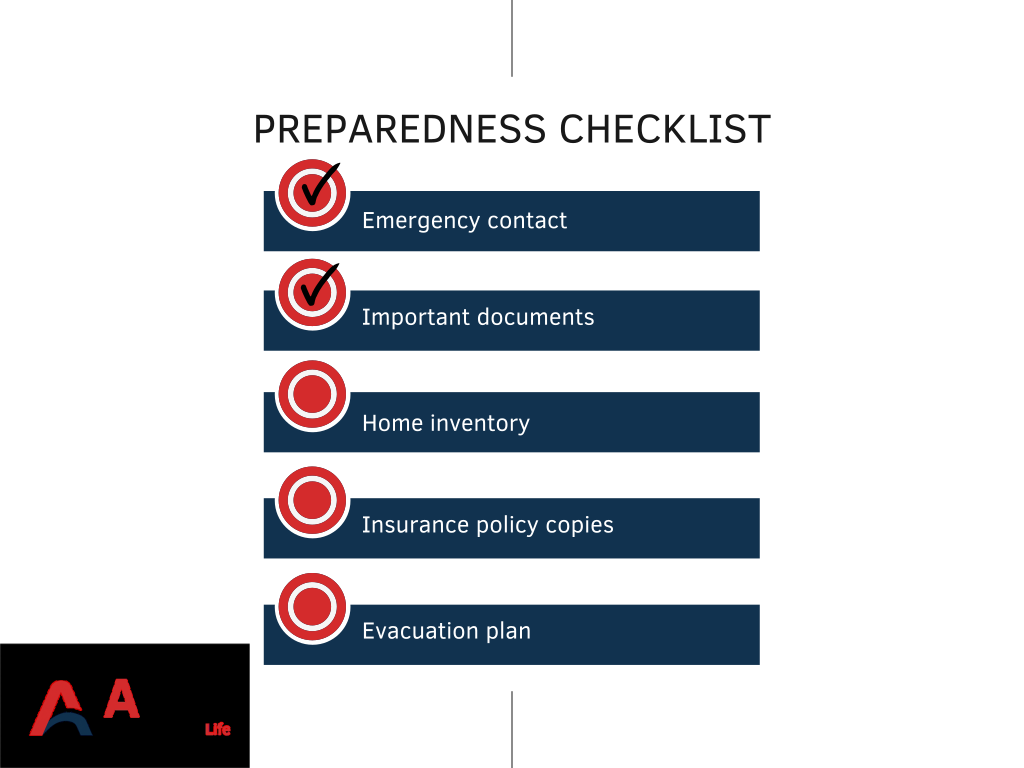 Download our handy emergency kit checklist! See more
This kit is most effective when prepared before severe warnings are issued.
What to Do After a Disaster
If a disaster affects you:
- Ensure safety first
- Document damage with photos or videos
- Secure official reports if required
- Notify your advisor or insurer as soon as possible
- Keep receipts related to repairs or temporary needs
Proper documentation supports smoother claims processing.
👉 You may also want to read How Insurance Claims Work in the Philippines.
Disaster Preparedness for Families and MSMEs in Cebu
Families and small business owners face different risks:
- Families should focus on home, vehicle, and income protection
- MSMEs should consider property, equipment, and operational risks
Preparedness plans should match responsibilities—not assumptions.
How Disaster Preparedness Fits Into Financial Planning
Disaster preparedness is one part of a broader plan that includes:
- Emergency savings
- Health and medical coverage
- Life insurance for dependents
👉 Related guides:
What to Do Next
If this guide helped you understand disaster preparedness better, the next step is review—not urgency.You can ask questions about coverage and preparedness to see what realistically fits your situation.