Why Insurance Matters in Cebu
Living in Cebu comes with opportunities—and real risks.
- Medical costs can quickly reach hundreds of thousands of pesos
- Accidents happen on the road, at work, or at home
- Natural disasters like typhoons, floods, and earthquakes affect many parts of the island
- Many families rely on one main income earner
Insurance exists to reduce the financial impact of these situations—not to remove all problems, but to prevent one event from completely disrupting your family’s finances.
How Insurance Works (In Simple Terms)
At its core, insurance is a shared risk system.
1. You Pay a Premium
You pay a regular amount (monthly, quarterly, or annually) called a premium.
2. You Get Coverage
In exchange, the policy provides financial protection for specific risks, such as death, illness, accidents, property damage, or liability.
3. A Claim Is Filed When Something Happens
If a covered event occurs, a claim is submitted following the policy’s terms.
👉 Learn more in our How Insurance Claims Work in the Philippines page.
4. Benefits Are Paid Based on the Contract
Claims are paid according to what was agreed upon in the policy—not assumptions or verbal promises.
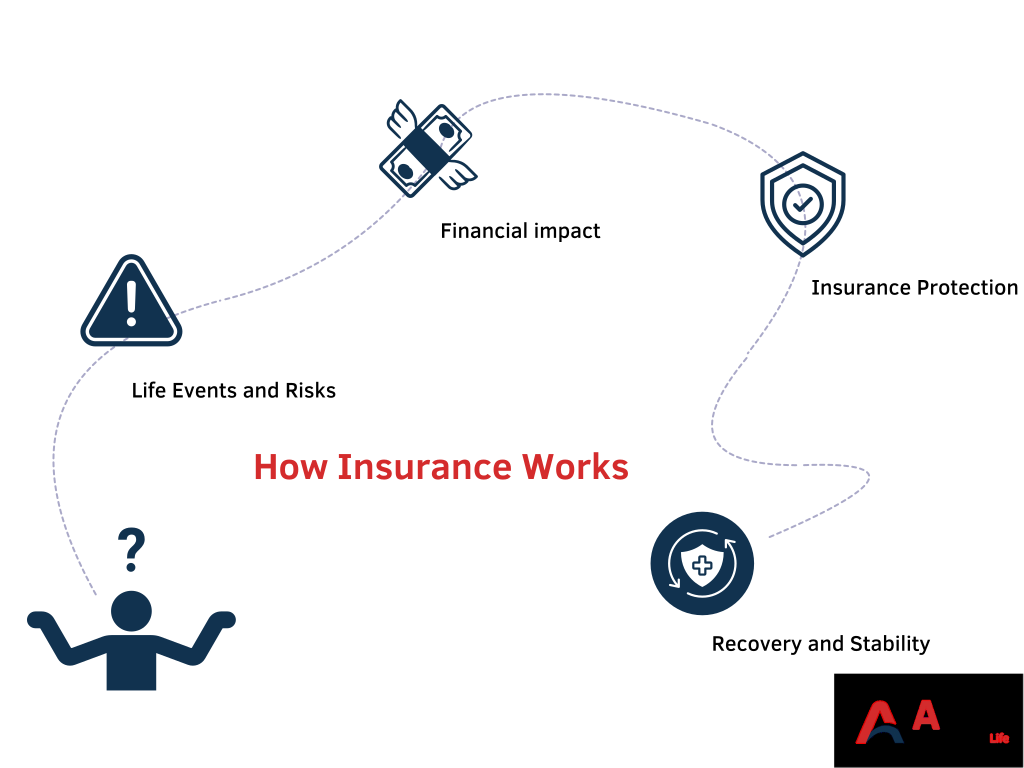
Insurance is not about profit or prediction. It’s about preparation and clear agreements.
Common Types of Insurance in the Philippines
Life Insurance
Designed to protect your family financially if something happens to you. Often used for:
- Income replacement
- Children’s education
- Debt protection
👉 Learn more in our Life Insurance Explained (Philippines) page.
Health & Medical Insurance
Helps cover hospital bills, treatments, or major illnesses that go beyond PhilHealth or HMOs.
👉 See Health Insurance vs HMO vs PhilHealth for a clear comparison.
Motor Insurance
Provides financial protection for car accidents, repairs, theft, and third‑party liability.
Home & Property Insurance
Helps protect your house and belongings from risks like fire, typhoon damage, and earthquakes.
Business Insurance
Designed for small and medium enterprises (MSMEs) to manage operational and liability risks.
Common Insurance Myths (Cebuano Reality Check)
“Sayang ra ang bayad.”
Insurance feels sayang—until the risk actually happens.
“Para ra ni sa dato.”
Insurance is meant to protect income, not wealth.
“Dili man gyud mo bayad ang insurance.”
Claims are paid when policies are understood, properly set up, and requirements are met.
How to Decide If You Need Insurance
Insurance is personal. Not everyone needs the same coverage.
Ask yourself:
- Do people depend on my income?
- Can I handle a large medical bill today?
- What risks would hurt my family the most?
- How much can I realistically commit without stress?
The right coverage balances need, risk, and budget—not pressure.
What Insurance Can and Cannot Do
Insurance Can:
- Reduce financial shock
- Provide peace of mind
- Support recovery after loss
Insurance Cannot:
- Replace emergency savings
- Remove all risk
- Fix poor financial habits
Insurance works best as part of a bigger financial plan.
What to Do Next
If this page helped clarify things, your next step is not to buy immediately—but to ask questions.
You may want to explore:
- Life Insurance Explained for Filipinos
- Health Insurance vs HMO vs PhilHealth
- How Insurance Claims Work in the Philippines
- Disaster Preparedness & Insurance in Cebu
Or, if you prefer: