How Insurance Claims Work (Step by Step)
While exact steps vary by policy, most insurance claims in the Philippines follow this general process:
1. Notify Your Advisor or Insurer
As soon as a covered event happens (accident, illness, death, damage), inform your advisor or the insurer’s claims team. Early notice helps prevent delays.
2. Gather Required Documents
Common documents may include:
- Claim forms
- Medical or hospital records
- Police or incident reports (if applicable)
- Official receipts
- Valid IDs and policy details
3. Submit the Claim
Documents are reviewed for completeness and accuracy. Missing information is one of the most common causes of delay.
4. Evaluation and Verification
The insurer evaluates whether the event is covered based on policy terms and conditions.
5. Claim Decision and Payment
If approved, benefits are paid according to the policy. Processing time depends on document completeness and claim type.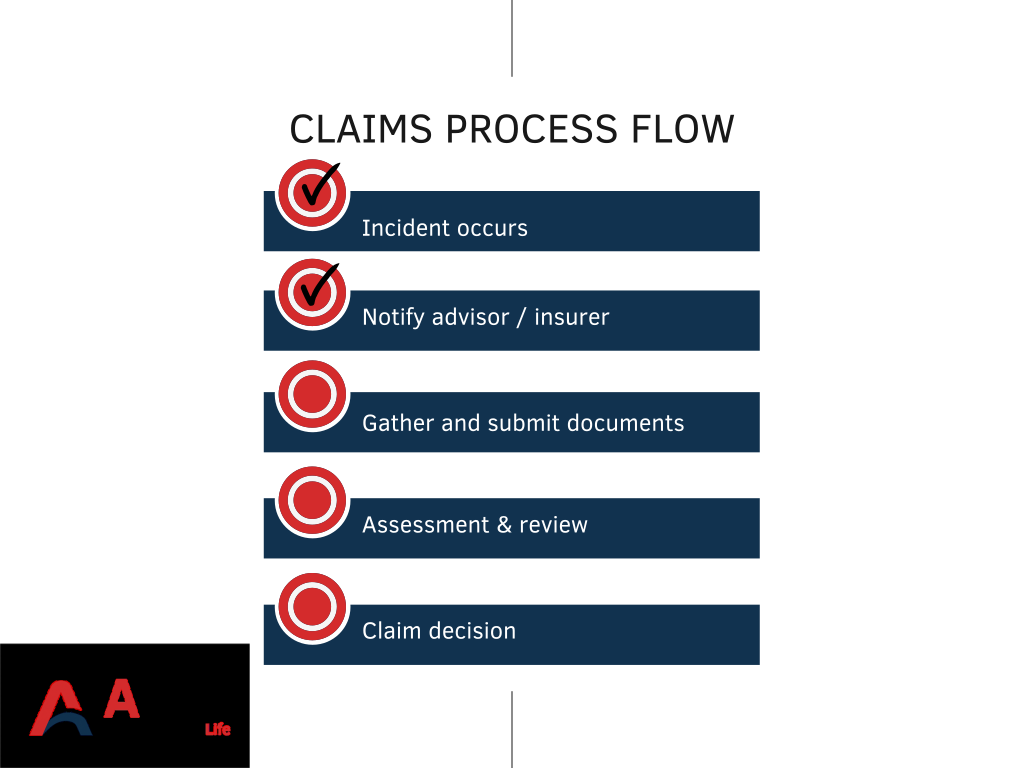
Why Insurance Claims Get Delayed or Denied
Most claim issues are not about refusal—but about documentation and expectations.
Common reasons include:
- Incomplete or late documents
- Non-disclosure of important information at application
- Claiming for events not covered by the policy
- Policy lapses due to missed payments
Clear understanding at the start prevents most problems later.
What Policyholders Can Do to Avoid Claim Problems
You can improve your claim experience by:
- Reading and understanding your policy
- Disclosing accurate health and personal information
- Keeping digital copies of documents
- Paying premiums on time
- Asking questions before filing a claim
Insurance works best when both sides follow the agreement.
Claims During Emergencies and Disasters in Cebu
During typhoons, floods, or earthquakes, claim procedures may involve:
- Photo or video documentation of damage
- Official reports from local authorities
- Additional verification steps
Processing may take longer during large-scale disasters, but proper documentation helps move claims forward.
👉 You may also want to read Disaster Preparedness & Insurance in Cebu.
Common Cebuano Questions About Insurance Claims
“Dali ra ba ang claims process?”
Claims are smoother when documents are complete and policy terms are understood.
“Unsa kung kulang ang requirements?”
Claims may be delayed until requirements are completed.
“Pwede ba ma-deny ang claim?”
Yes, if the event is not covered or policy conditions were not met. This is why clarity matters early.
How Claims Fit Into Responsible Planning
Yes, if the event is not covered or policy conditions were not met. This is why clarity matters early.
Insurance claims are not favors—they are contractual obligations. Proper planning includes:
- Choosing appropriate coverage
- Understanding exclusions
- Setting realistic expectations
👉 Related guides:
What to Do Next
If this page answered your concerns, the next step is not urgency—but clarity.